
10 Simple Ways to Unwind After a Stressful Day
10 Simple Ways to Unwind After a Stressful Day
Modern life rarely slows down.
From work deadlines and family responsibilities to endless notifications and social media updates, many of us spend our days moving from one task to the next without ever giving our minds a chance to rest. By the time evening arrives, we may be physically tired but mentally exhausted, struggling to switch off and enjoy the downtime we desperately need.
The problem is that stress doesn’t always disappear when the working day ends. If we carry tension into the evening, it can affect our mood, relationships and even our ability to sleep.
Fortunately, unwinding doesn’t require expensive equipment, complicated routines or hours of free time. Often, small changes can make a significant difference.
Here are ten simple ways to relax, reset and leave the stress of the day behind.
1. Take a Walk Without a Destination
Walking is one of the simplest and most effective ways to reduce stress.
A gentle walk allows the body to release physical tension while giving the mind an opportunity to process the events of the day. Unlike exercise focused on performance, a relaxation walk has no goal beyond movement itself.
Leave your phone in your pocket, take a slower pace than usual and simply observe your surroundings.
Even a twenty-minute walk can help shift your mindset and create a sense of calm.
2. Listen to Relaxing Music or Soundscapes
Sound has a powerful influence on the nervous system.
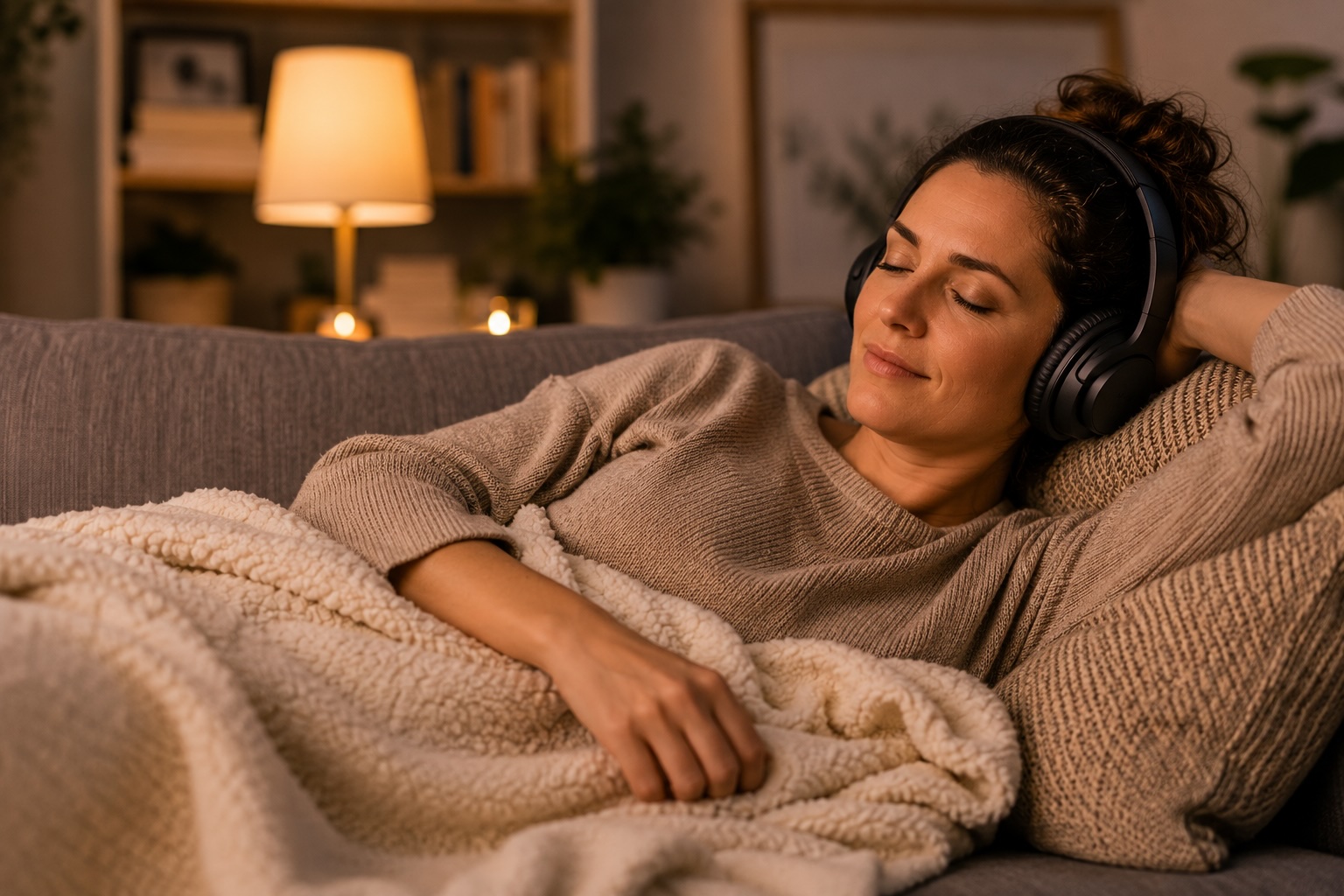
After a stressful day, soothing music, gentle ambient soundscapes or nature sounds can help create a calmer atmosphere and encourage relaxation.
Many people find comfort in:
- Rainfall sounds
- Ocean waves
- Soft piano music
- Ambient soundscapes
- Forest ambience
Creating an audio environment that feels peaceful can make it easier for the mind to transition from activity to rest.
3. Practise Deep Breathing
Stress often causes us to breathe more quickly and shallowly.
Slow, controlled breathing can signal to the body that it is safe to relax.
One simple technique is the 4-6 breathing method:
- Inhale gently for four seconds
- Pause briefly
- Exhale slowly for six seconds
- Repeat for several minutes
This encourages the nervous system to shift away from a heightened stress response and towards a calmer state.
4. Create a Digital Sunset
Many people spend the entire day looking at screens.
Computers, phones, tablets and televisions constantly compete for our attention, making it difficult for the brain to truly rest.
A digital sunset involves gradually reducing screen use during the evening.
Consider:
- Turning off unnecessary notifications
- Avoiding work emails after a certain time
- Reducing social media use
- Reading a physical book instead of scrolling
Creating boundaries with technology can dramatically improve relaxation.
5. Enjoy a Warm Bath or Shower
Warm water can have a surprisingly calming effect.
A bath or shower creates an opportunity to slow down, breathe deeply and focus on the present moment.
Adding soft lighting, relaxing music or calming scents such as lavender can enhance the experience even further.
Many people find that a warm shower before bed helps them feel both physically and mentally refreshed.
6. Try Gentle Stretching or Yoga
Stress often accumulates in the body.
Tension can build in the shoulders, neck, back and jaw without us even noticing.
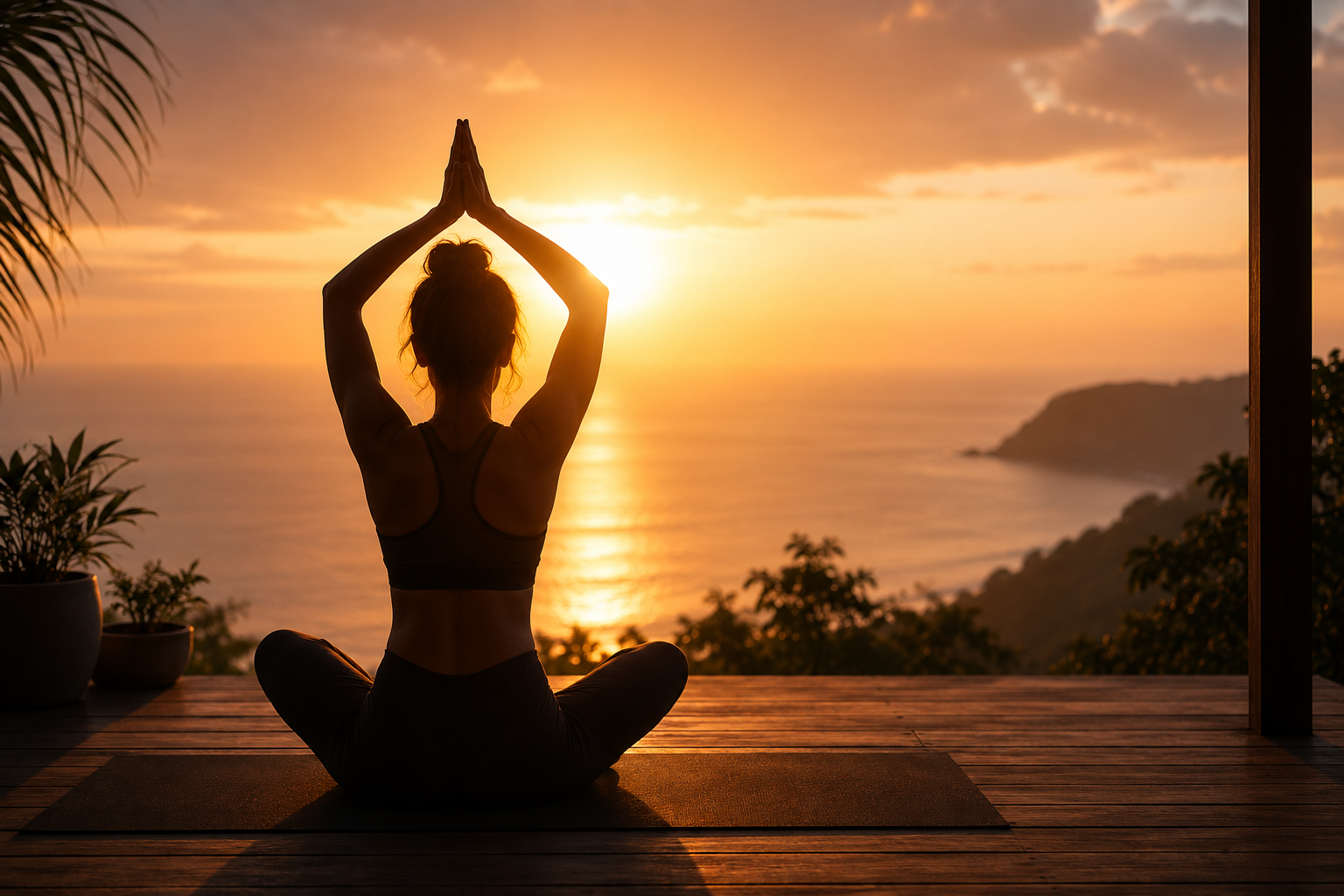
Gentle stretching or beginner-friendly yoga can help release this physical stress while encouraging mindfulness and relaxation.
You don’t need to be flexible or experienced. Even ten minutes of simple movement can leave you feeling calmer and more comfortable.
7. Spend Time in Silence
Modern life is incredibly noisy.
Music, television, podcasts, traffic and constant notifications mean many people rarely experience true silence.
Taking even ten minutes to sit quietly without distractions can help reset the mind and reduce mental overload.
Silence gives the brain an opportunity to slow down and recover from a busy day.
8. Write Down Your Thoughts
If your mind feels crowded with unfinished tasks and worries, writing them down can help.
Journaling doesn’t need to be complicated.
You might simply write:
- What went well today
- What is causing stress
- What you’re grateful for
- What needs attention tomorrow
Putting thoughts onto paper often makes them feel more manageable and less overwhelming.
9. Create a Comfortable Environment
Our surroundings influence how we feel.
A calm environment can make relaxation easier, while clutter and chaos may increase feelings of stress.
Simple improvements include:
- Dimming bright lights
- Tidying your living space
- Lighting a candle
- Using soft furnishings
- Adjusting room temperature
Small changes can transform an ordinary room into a peaceful retreat.
10. Give Yourself Permission to Do Nothing
Perhaps the most overlooked relaxation technique is allowing yourself to simply stop.
Many people feel guilty when they are not being productive.
However, rest is not laziness. Recovery is an essential part of maintaining physical and mental wellbeing.
You do not need to earn relaxation.
Sometimes the healthiest thing you can do is sit comfortably, listen to calming sounds and allow yourself a moment of peace.
Why Unwinding Matters
Relaxation is not a luxury reserved for special occasions.
Regular opportunities to unwind can help:
- Reduce stress
- Improve sleep quality
- Support mental wellbeing
- Enhance focus and productivity
- Improve overall quality of life
When we make relaxation a priority, we become better equipped to handle the challenges of everyday life.
How Sleep Radio Can Help
At Sleep Radio, we believe that everyone deserves a space to slow down and breathe.
Our carefully curated mix of ambient music, calming soundscapes and relaxing audio is designed to help you create moments of peace, whether you’re winding down after work, preparing for sleep or simply taking a break from a busy day.
Sometimes the most important item on your to-do list is taking a moment for yourself.
Final Thoughts
Stress may be a part of modern life, but it doesn’t have to control your evenings.
By creating small moments of calm throughout the day and making relaxation a habit rather than an afterthought, it becomes easier to switch off, recharge and enjoy a better night’s sleep.
The next time you feel overwhelmed, remember that unwinding doesn’t have to be complicated. A quiet walk, a few deep breaths or a relaxing soundscape may be all it takes to help restore balance and bring a little more peace into your day.