


Supplements That Actually Work
Supplements That Actually Work: The Ones Backed by Real Evidence
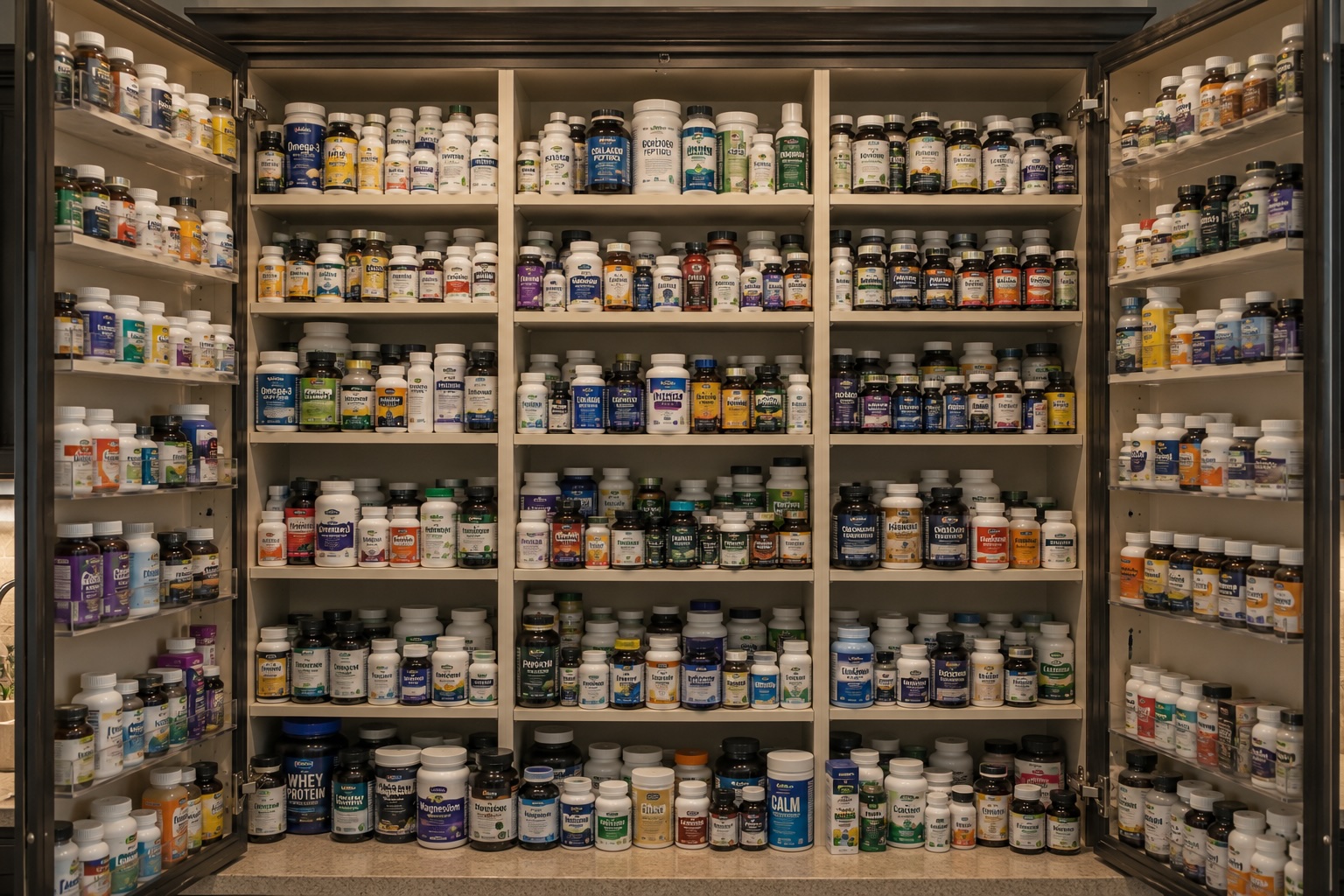
Walk into any pharmacy or health store and you’ll find shelves packed with supplements claiming to improve sleep, boost energy, strengthen immunity, sharpen focus and transform your health.
The supplement industry is worth billions, yet many products have little or no meaningful scientific evidence behind them.
That doesn’t mean all supplements are useless. In fact, several have been extensively studied and shown to provide genuine benefits in specific situations.
The key is understanding which supplements have solid evidence behind them, who may benefit from them and when professional advice might be worthwhile.
A Quick Reality Check
Before diving into specific supplements, it’s important to understand one thing.
Supplements are designed to supplement a healthy lifestyle, not replace one.
No pill can compensate for:
- Poor sleep
- Lack of exercise
- A highly processed diet
- Excessive alcohol consumption
- Chronic stress
The strongest evidence for good health still points towards the basics:
- Quality sleep
- Regular movement
- Balanced nutrition
- Stress management
- Maintaining a healthy weight
Supplements work best when these foundations are already in place.
Vitamin D
Vitamin D is one of the most researched supplements available.
It plays an important role in:
- Bone health
- Immune function
- Muscle strength
- Mood regulation
In countries such as the UK, vitamin D deficiency is relatively common because sunlight levels are often insufficient during autumn and winter.
Research shows that vitamin D supplementation can help maintain healthy bones and may reduce the risk of deficiency-related health problems.
Many health organisations recommend vitamin D supplementation during the winter months, particularly for people who spend little time outdoors.
Magnesium
Magnesium is involved in hundreds of biological processes throughout the body.
It contributes to:
- Muscle function
- Nerve function
- Energy production
- Blood pressure regulation
- Sleep quality
Some studies suggest magnesium supplementation may help individuals who are deficient and may support relaxation and sleep.
Many people are attracted to magnesium because of its potential role in reducing muscle cramps and supporting overall wellbeing.
Different forms of magnesium exist, including magnesium glycinate, citrate and oxide.
Not all forms are absorbed equally, which is why choosing the right type can matter.
Omega-3 Fish Oils
Omega-3 fatty acids have been studied extensively for their potential benefits to heart and brain health.
The primary omega-3s found in fish oil are:
- EPA
- DHA
Research suggests these fatty acids may help:
- Support cardiovascular health
- Lower triglyceride levels
- Support brain function
- Reduce inflammation
People who rarely eat oily fish may be more likely to benefit from supplementation.
As always, quality matters. Choosing a reputable manufacturer is important when selecting any fish oil product.
Creatine
Creatine is often associated with bodybuilders and athletes, but its benefits extend far beyond the gym.
In fact, creatine is one of the most extensively researched supplements in sports nutrition.
Evidence shows it can help improve:
- Strength
- Power output
- Exercise performance
- Muscle recovery
Emerging research also suggests potential benefits for brain health and cognitive performance, although further study is ongoing.
Creatine monohydrate remains the most researched and cost-effective form.
Protein Supplements
Protein powders are among the most commonly used supplements worldwide.
While many people obtain enough protein through food, protein supplements can be useful for:
- Athletes
- Older adults
- Individuals recovering from illness
- People with higher protein requirements
Protein supports:
- Muscle maintenance
- Tissue repair
- Recovery after exercise
- Overall health
Whey protein is one of the most researched forms, although plant-based alternatives are increasingly popular.
Probiotics
The human digestive system contains trillions of bacteria that play important roles in health.
Probiotics are live microorganisms intended to support this gut ecosystem.
Research suggests that certain probiotic strains may help with:
- Digestive health
- Some forms of diarrhoea
- Irritable bowel syndrome symptoms
- Gut microbiome balance
However, probiotics are not a one-size-fits-all solution.
Different strains serve different purposes, and benefits often depend on the specific product being used.
Iron
Iron is essential for carrying oxygen throughout the body.
When iron levels become low, people may experience:
- Fatigue
- Weakness
- Reduced exercise capacity
- Difficulty concentrating
For individuals with confirmed iron deficiency, supplementation can be highly effective.
However, iron is not something that should be taken unnecessarily.
Too much iron can be harmful, which is why blood testing is often recommended before starting supplementation.
What About Sleep Supplements?
Because sleep is such a popular topic, many products claim to improve sleep quality.
The evidence varies significantly.
Melatonin
Melatonin is a hormone naturally produced by the body.
Supplemental melatonin has evidence supporting its use for:
- Jet lag
- Shift work adjustment
- Certain sleep disorders
Its effectiveness for general insomnia is less clear and often depends on the underlying cause of sleep difficulties.
Magnesium
As mentioned earlier, magnesium may help some individuals relax and improve sleep quality, particularly if deficiency is present.
Herbal Remedies
Products containing ingredients such as valerian root, chamomile and passionflower are widely used, but evidence is generally less consistent compared to supplements such as vitamin D, magnesium or omega-3s.
Some people find them helpful, while others notice little difference.
Quality Matters
One challenge with supplements is that quality can vary significantly between manufacturers.
When choosing supplements:
- Buy from reputable brands
- Avoid exaggerated health claims
- Look for third-party testing where possible
- Follow recommended dosages
- Be cautious of miracle cures
If something sounds too good to be true, it usually is.
When to Speak to Your GP
While many supplements are available without prescription, it can sometimes be worth discussing them with your GP, particularly if:
- You suspect a deficiency
- You take regular medication
- You have a chronic health condition
- You’re pregnant or breastfeeding
- Symptoms persist despite lifestyle improvements
Simple blood tests can often identify deficiencies and help determine whether supplementation is genuinely needed.
A targeted approach is usually far more effective than randomly taking multiple supplements and hoping for the best.
Final Thoughts
The supplement industry is full of bold promises, but only a handful of products have consistently strong scientific evidence behind them.
Vitamin D, magnesium, omega-3s, creatine, protein supplements and iron (when deficiency exists) are among the best-supported options available today.
The most important thing to remember is that supplements are not shortcuts.
They work best alongside good sleep, regular exercise, healthy eating and stress management.
Focus on building strong foundations first, then use supplements where appropriate to support your overall health and wellbeing.
Sometimes the most effective health improvements come not from adding more products, but from consistently doing the simple things well.