

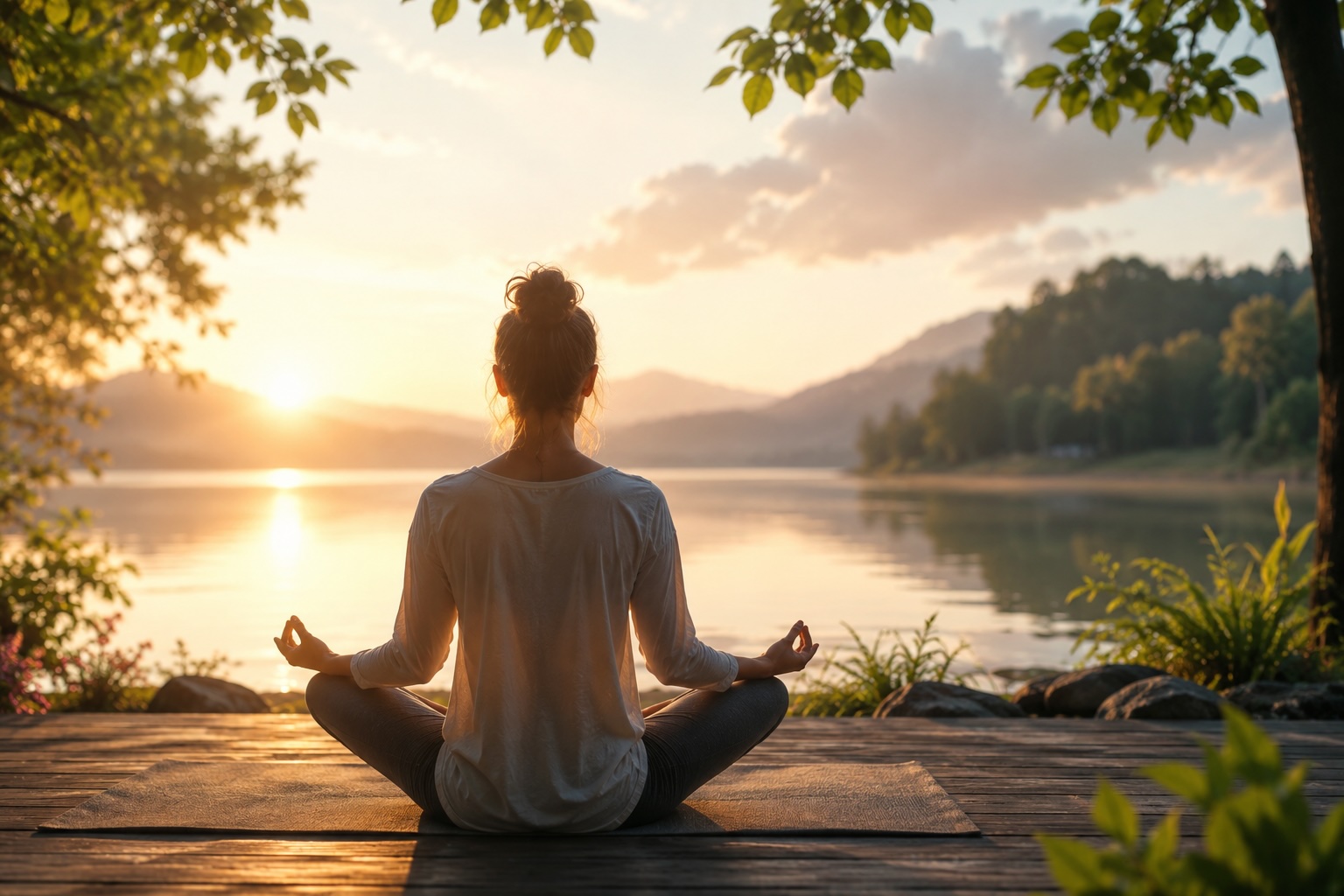
The Benefits of Yoga for Body and Mind
The Benefits of Yoga for Body and Mind
Yoga has been practised for thousands of years and remains one of the most effective ways to improve both physical and mental wellbeing.
While many people initially come to yoga to improve flexibility or fitness, they often discover that its benefits reach far beyond the physical body. Yoga offers a unique combination of movement, breathing and mindfulness that helps create balance in an increasingly busy and stressful world.
Whether practised for ten minutes at home or as part of a structured class, yoga provides an opportunity to slow down, reconnect with yourself and support both body and mind.
What Is Yoga?
Yoga originated in ancient India and has evolved into a practice enjoyed by millions of people worldwide.
At its core, yoga combines:
- Physical movement
- Breathing techniques
- Mindfulness
- Relaxation
Unlike many forms of exercise that focus purely on physical performance, yoga encourages awareness of both body and mind.
The aim is not perfection.
The aim is balance.
Physical Benefits of Yoga
One of the reasons yoga has remained popular for centuries is its ability to support overall physical health.
Regular practice can help improve:
Flexibility
Many modern lifestyles involve long periods of sitting, whether at desks, in cars or on sofas.
Over time, muscles can become tight and joints less mobile.
Yoga gently stretches the body, helping improve flexibility and range of motion.
Many people notice improvements in:
- Hamstrings
- Hips
- Shoulders
- Back
- Neck
Even beginners often experience increased mobility after only a few weeks of regular practice.
Strength
Although yoga is often associated with stretching, it can also build significant strength.
Many poses require the body to support its own weight, helping strengthen:
- Core muscles
- Legs
- Back
- Arms
- Shoulders
Improved strength contributes to better posture, stability and everyday movement.
Balance and Coordination
Balance naturally declines as we age, making it an important skill to maintain.
Yoga regularly challenges balance through controlled movements and standing poses.
This can help improve:
- Stability
- Coordination
- Body awareness
- Confidence in movement
These benefits can carry over into everyday activities and other forms of exercise.
Better Posture
Poor posture has become increasingly common due to modern lifestyles.
Hours spent looking at phones, tablets and computer screens can place significant strain on the neck, shoulders and back.
Yoga helps strengthen postural muscles while improving body awareness.
As a result, many people find they sit and stand more comfortably with less tension.
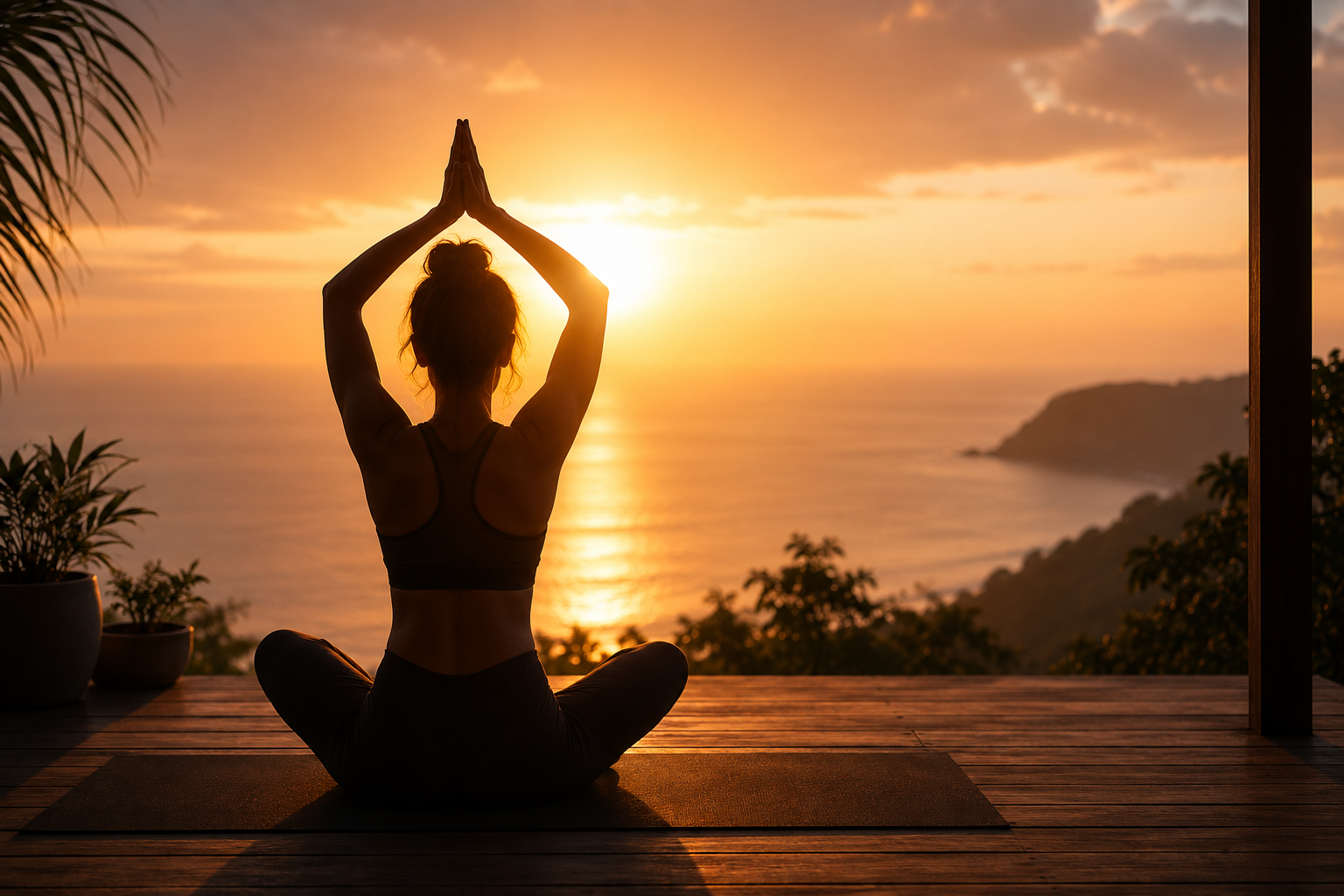
Reducing Muscle Tension
Stress often manifests physically.
Many people carry tension in:
- The neck
- Shoulders
- Jaw
- Lower back
Yoga encourages gentle movement and stretching that can help release this accumulated tension.
For people who spend long hours at a desk or experience stress-related muscle tightness, yoga can provide welcome relief.
Yoga and Stress Reduction
One of yoga’s most celebrated benefits is its ability to reduce stress.
The combination of movement and controlled breathing helps activate the body’s natural relaxation response.
As this happens:
- Heart rate slows
- Breathing becomes deeper
- Muscle tension decreases
- Stress hormones begin to reduce
Many people describe feeling calmer and more centred after even a short yoga session.
In a world filled with constant notifications, deadlines and distractions, this opportunity to slow down can be incredibly valuable.
Supporting Mental Wellbeing
The mental health benefits of yoga are increasingly recognised.
Regular practice may help support:
- Emotional wellbeing
- Stress management
- Focus and concentration
- Self-awareness
- Relaxation
Yoga encourages attention to the present moment, making it a natural complement to mindfulness practices.
Rather than dwelling on yesterday’s problems or tomorrow’s worries, yoga helps bring awareness back to what is happening right now.
Yoga and Anxiety
Many people who struggle with anxiety find yoga particularly helpful.
Anxiety often creates a cycle of racing thoughts, shallow breathing and physical tension.
Yoga addresses each of these elements simultaneously.
By focusing on movement and breath, attention is gently redirected away from worries and towards the present moment.
While yoga is not a cure for anxiety, many practitioners report feeling calmer and better able to cope with life’s challenges.
The Connection Between Yoga and Sleep
One of the reasons yoga is frequently recommended for relaxation is its positive relationship with sleep.
Many sleep problems are linked to stress, tension and an overactive mind.
Yoga helps address these factors by:
- Relaxing the body
- Slowing breathing
- Calming the nervous system
- Reducing mental chatter
Even a gentle evening yoga routine can help prepare the body and mind for rest.
Many people find that practising yoga before bed helps them:
- Fall asleep faster
- Sleep more deeply
- Feel more relaxed
- Wake feeling refreshed
Breathing: The Hidden Power of Yoga
Breathing is central to yoga practice.
Most of us spend our days breathing automatically without paying much attention to it.
Yoga encourages slower, deeper breathing patterns that help calm the nervous system.
Controlled breathing may help:
- Reduce stress
- Improve focus
- Support relaxation
- Increase feelings of calm
Many people find that the breathing techniques learned during yoga become valuable tools they can use throughout daily life.
Yoga Is for Everyone
One of the biggest misconceptions about yoga is that you need to be flexible to start.
The truth is exactly the opposite.
Yoga helps improve flexibility over time.
You do not need expensive equipment, specialist clothing or years of experience.
All you really need is:
- Comfortable clothing
- A small amount of space
- A willingness to start
Yoga can be adapted for almost any age, fitness level or ability.
The goal is not to compare yourself to others but to work with your own body and capabilities.
Building a Sustainable Habit
Like any healthy activity, yoga becomes most effective when practised regularly.
That does not mean spending hours every day on a mat.
Even ten to fifteen minutes a few times per week can provide meaningful benefits.
Consistency is often more important than duration.
Small, regular sessions tend to be far more sustainable than occasional intense efforts.
How Sleep Radio Can Complement Your Practice
Many people enjoy combining yoga with calming audio.
Gentle ambient music, nature sounds and relaxing soundscapes can help create a peaceful environment for movement, stretching and meditation.
At Sleep Radio, our carefully curated audio is designed to support relaxation, mindfulness and wellbeing, making it a natural companion to yoga practice and evening wind-down routines.
Final Thoughts
Yoga has endured for thousands of years because it offers something many of us need more than ever: balance.
By combining movement, breathing and mindfulness, yoga supports both physical health and mental wellbeing. It can improve flexibility, strength and posture while also helping reduce stress, calm the mind and support better sleep.
Whether your goal is greater flexibility, improved wellbeing, stress reduction or a more restful night’s sleep, yoga offers a simple, accessible and effective path towards a healthier and more balanced life.
Sometimes the most powerful thing we can do is slow down, breathe deeply and reconnect with ourselves.