

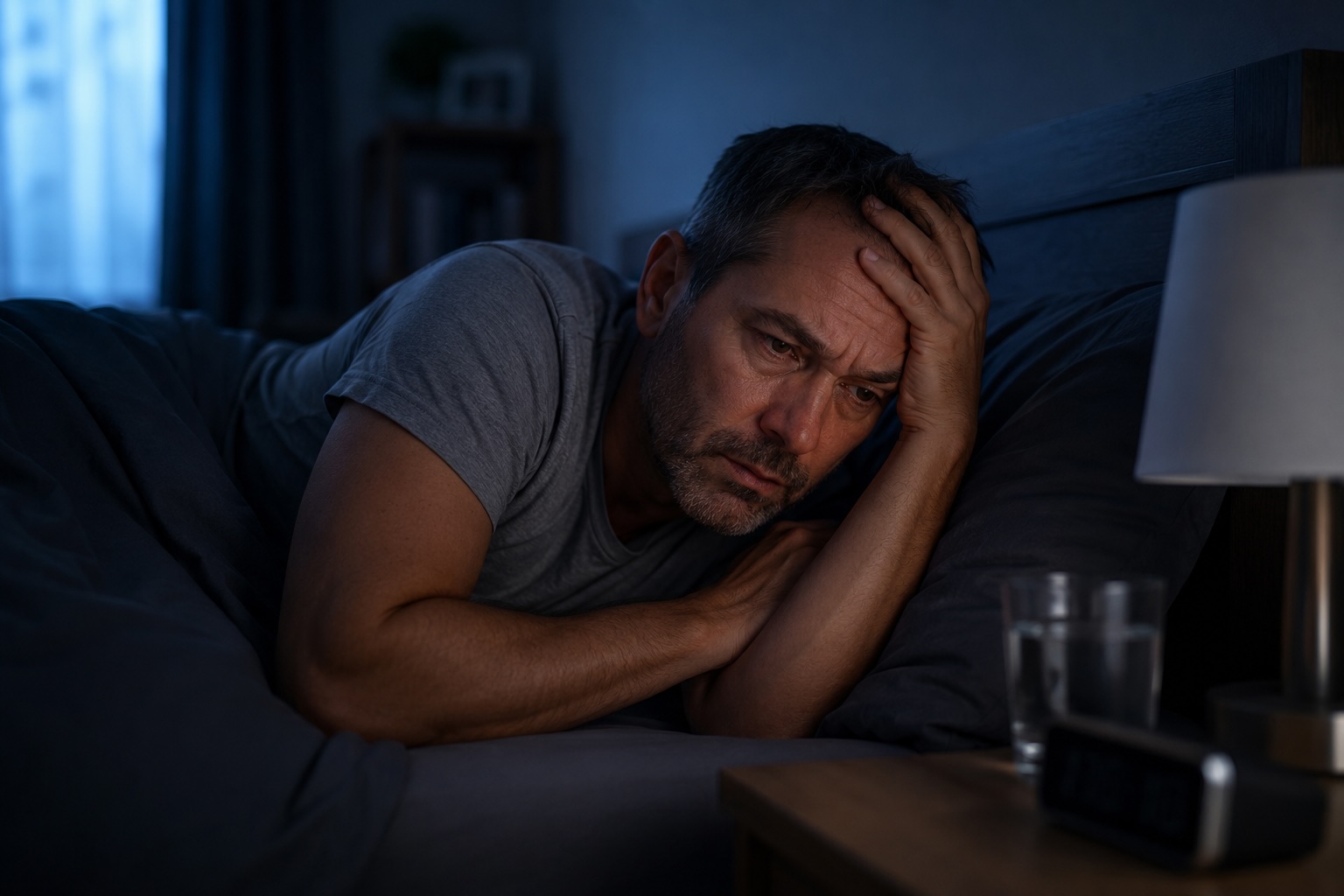
The Hidden Impact of Stress
The Hidden Impact of Stress: How It Affects Your Body and Mind
Stress is a natural part of life.
In small amounts, stress can actually be helpful. It can motivate us to meet deadlines, solve problems and respond to challenges. However, when stress becomes constant or overwhelming, it can begin to affect nearly every aspect of our physical and mental wellbeing.
Many people are surprised to learn just how far-reaching the effects of stress can be. From sleep and energy levels to digestion and heart health, chronic stress can influence systems throughout the body.
Understanding stress is the first step towards managing it more effectively.
What Is Stress?
Stress is the body’s natural response to pressure, challenges or perceived threats.
When we encounter a stressful situation, the brain signals the release of hormones including:
- Adrenaline
- Cortisol
These hormones prepare the body for action.
This response is often called the “fight or flight” response and was designed to help our ancestors survive dangerous situations.
In modern life, however, the threats are often very different.
Instead of predators or physical danger, stress may come from:
- Work pressures
- Financial concerns
- Family responsibilities
- Health worries
- Relationship difficulties
- Information overload
Unfortunately, the body often reacts in the same way regardless of the source.
How Stress Affects the Brain
One of the first places we notice stress is in our thoughts.
When stress levels rise, many people experience:
- Racing thoughts
- Difficulty concentrating
- Increased worry
- Irritability
- Mental fatigue
Tasks that normally feel manageable can suddenly seem overwhelming.
Decision-making may become more difficult and even simple problems can feel much larger than they really are.
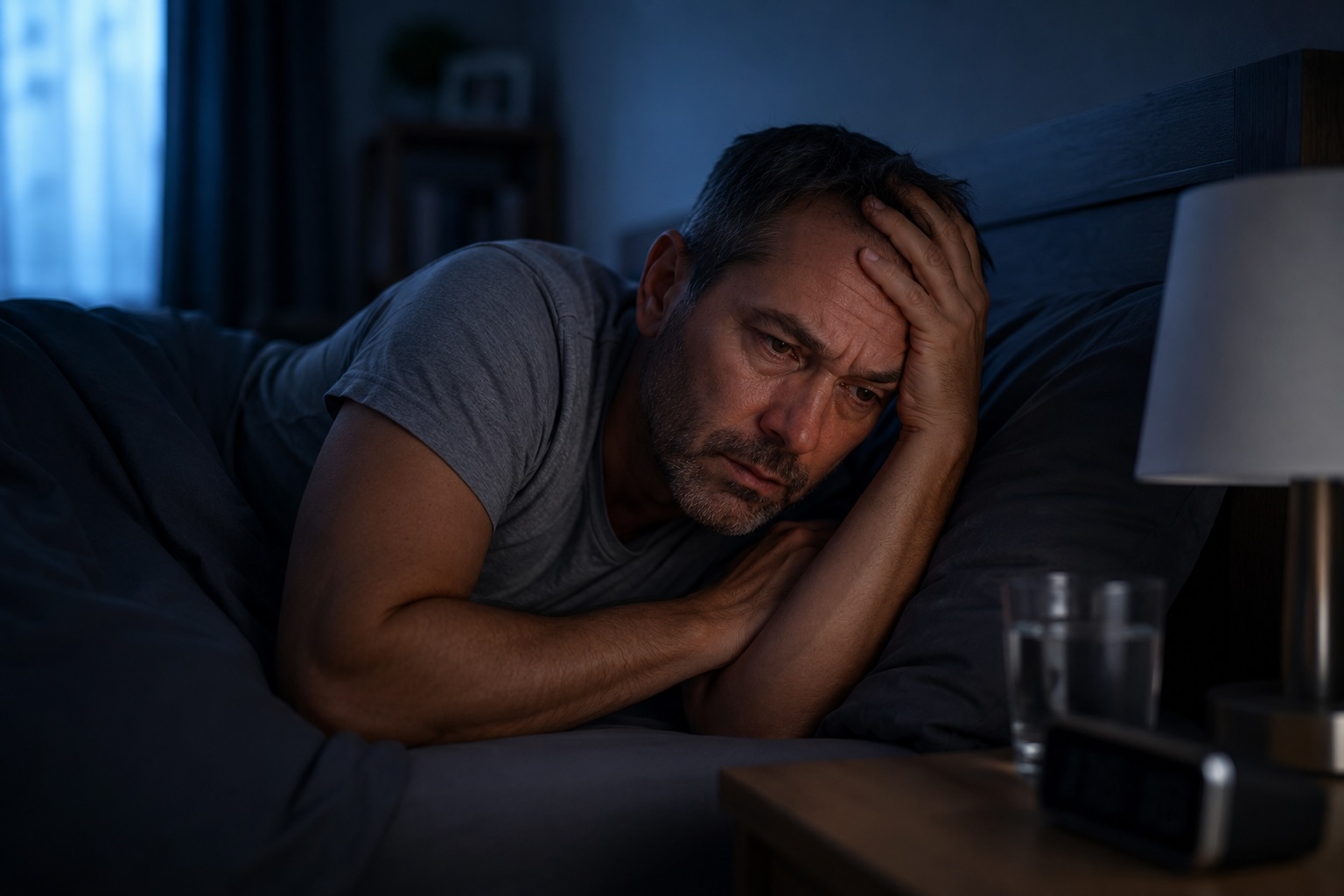
Stress and Sleep
Sleep and stress are closely connected.
Stress can make it harder to:
- Fall asleep
- Stay asleep
- Return to sleep after waking
Many people find their minds become most active at bedtime.
Thoughts about work, finances, relationships or health concerns can begin looping repeatedly, making relaxation difficult.
Poor sleep then creates more stress, which can lead to even worse sleep.
Breaking this cycle is often one of the most important steps towards improving overall wellbeing.
Physical Symptoms of Stress
Stress is not just a mental experience.
It often produces very real physical symptoms.
Common examples include:
Muscle Tension
Many people unknowingly carry stress in their:
- Neck
- Shoulders
- Back
- Jaw
Over time this can lead to aches, stiffness and discomfort.
Headaches
Tension headaches are commonly associated with prolonged stress.
Fatigue
Being stressed is exhausting.
Even if you’re not physically active, constant mental strain can leave you feeling drained and lacking energy.
Digestive Issues
Stress can influence digestion and may contribute to:
- Indigestion
- Stomach discomfort
- Changes in appetite
- Bloating
The connection between the brain and digestive system is stronger than many people realise.
The Impact on the Heart
When stress occurs, heart rate and blood pressure often rise temporarily.
This is a normal part of the body’s response to pressure.
However, prolonged periods of stress may place additional strain on the cardiovascular system.
Many people notice symptoms such as:
- A racing heartbeat
- Palpitations
- Feeling “wired”
- Increased awareness of their heartbeat
These sensations can be unsettling and may create additional anxiety, particularly if someone is already worried about their health.
How Stress Affects Mood
Chronic stress can have a significant impact on emotional wellbeing.
Common effects include:
- Irritability
- Frustration
- Anxiety
- Reduced patience
- Low mood
When stress continues for long periods, it can become increasingly difficult to feel relaxed or enjoy activities that would normally bring pleasure.
Stress and the Immune System
The immune system and stress are closely linked.
Periods of prolonged stress may affect the body’s ability to respond effectively to illness.
Many people notice they seem more susceptible to minor illnesses during particularly stressful periods of life.
This is one reason why maintaining healthy coping strategies is so important.
Signs You May Need to Slow Down
Modern life often encourages us to keep pushing forward regardless of how we feel.
However, some warning signs suggest it may be time to prioritise rest and recovery.
These include:
- Constant tiredness
- Poor sleep
- Difficulty concentrating
- Frequent headaches
- Increased irritability
- Feeling overwhelmed
- Loss of motivation
- Persistent muscle tension
Recognising these signs early can help prevent stress from becoming more difficult to manage.
Healthy Ways to Reduce Stress
There is no single solution that works for everyone.
However, several approaches consistently help many people.
Regular Exercise
Physical activity helps reduce stress hormones and improve mood.
Even a daily walk can make a noticeable difference.
Quality Sleep
Good sleep helps the body and mind recover from daily pressures.
Relaxation Techniques
Activities such as:
- Meditation
- Deep breathing
- Yoga
- Mindfulness
can help calm the nervous system.
Spending Time Outdoors
Nature can provide a valuable break from the demands of modern life.
Talking to Others
Sharing concerns with friends, family or trusted colleagues can help reduce feelings of isolation and perspective.
Listening to Relaxing Audio
Many people find that calming music, nature sounds and ambient soundscapes help them unwind after a stressful day.
How Sleep Radio Can Help
At Sleep Radio, we understand how difficult it can be to switch off when life feels overwhelming.
Our calming soundscapes, ambient music and relaxing audio experiences are designed to help create moments of peace in a busy world.
Whether you’re unwinding after work, preparing for sleep or simply taking a few minutes to yourself, a calm audio environment can help support relaxation and recovery.
When It Might Be Worth Speaking to Your GP
Occasional stress is a normal part of life.
However, if stress is affecting your sleep, relationships, work or overall wellbeing for an extended period, it may be worth having a conversation with your GP.
They can help identify any underlying issues and discuss appropriate support if needed.
Final Thoughts
Stress is something we all experience, but it doesn’t have to control our lives.
Understanding how stress affects the body and mind can help us recognise when we need to slow down, recharge and take better care of ourselves.
Small changes such as better sleep, regular exercise, healthy eating and moments of relaxation can make a remarkable difference over time.
In a world that rarely stops moving, sometimes the most productive thing you can do is pause, breathe and allow yourself the chance to recover.